
Office Address
Seville, Spain
Seville, Spain
Phone Number
+(34) 624 816 969
Email Address
info@forgenex.com
Available on Google Play

Seville, Spain
Seville, Spain
+(34) 624 816 969
info@forgenex.com

 by ForgeNEX
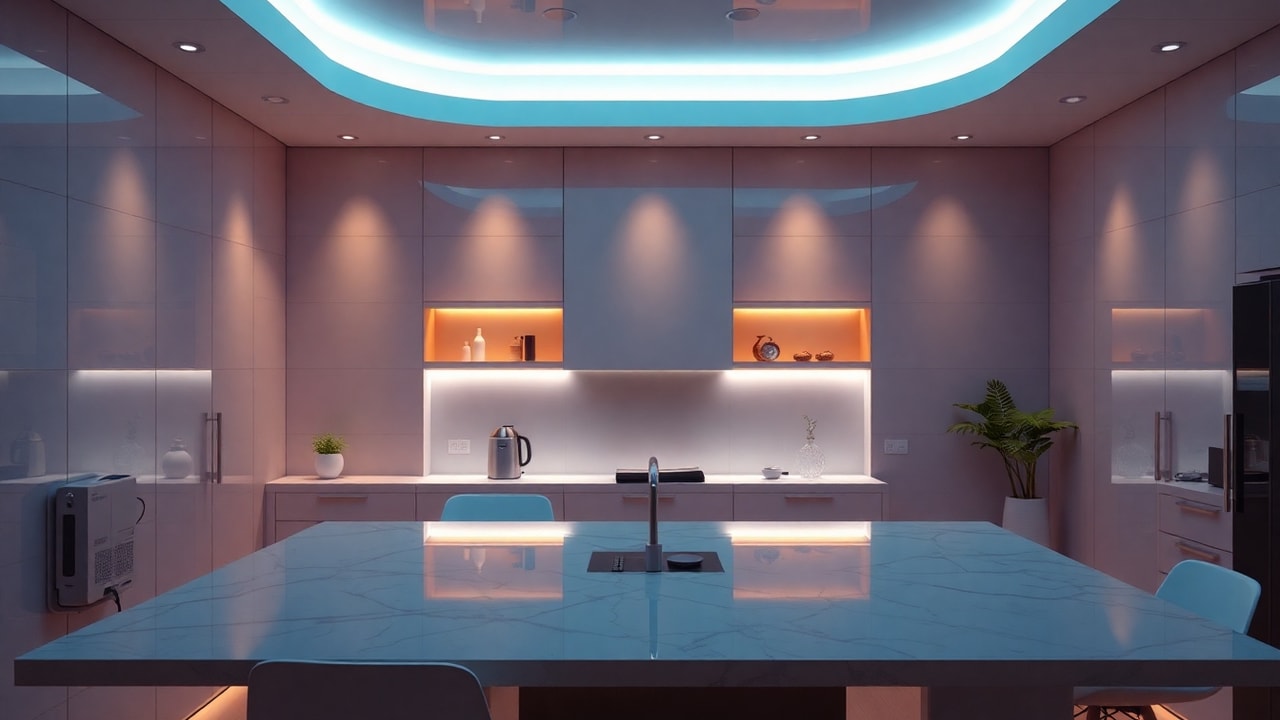
 Home automation is no longer just for smart homes. In the era of digital transformation, offices are adopting automation solutions to improve energy efficiency, security, and employee comfort. In this success story, we explore how the implementation of Home Assistant in a corporate office revolutionized its daily operations.
Table of contents [Show]
The company TechNova Solutions faced common problems in traditional offices: uncontrolled energy consumption, outdated climate control systems, poorly managed lighting, and lack of automation in repetitive tasks. Employees wasted time adjusting thermostats, turning on lights, and managing access. Management sought a comprehensive solution that would improve productivity and reduce operational costs.
After evaluating several platforms, they chose Home Assistant, an open-source solution that offers flexibility, integration with more than 2000 devices, and total control over data. The implementation was carried out in phases:
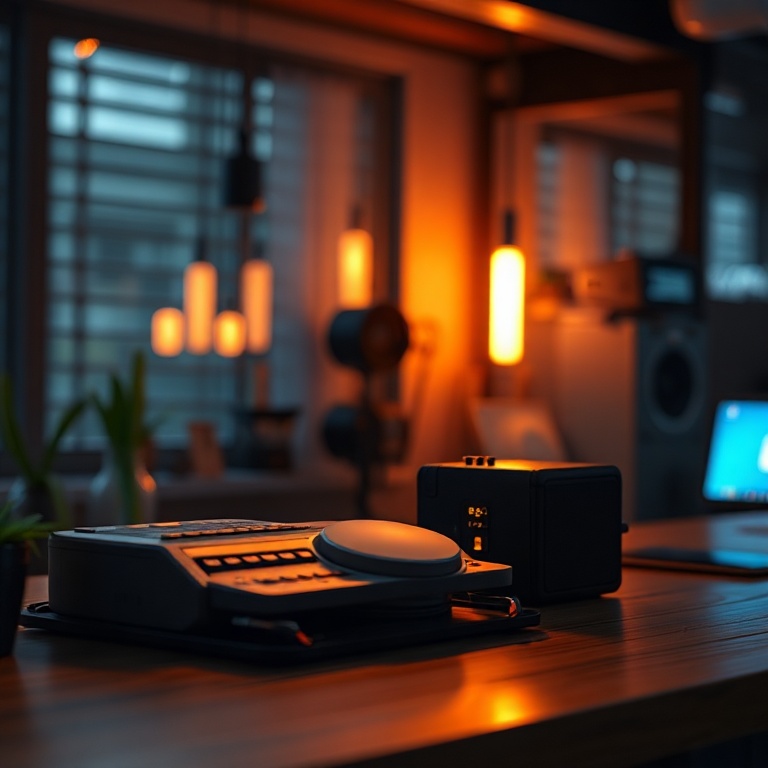
One of the biggest challenges was connecting Home Assistant with the company's presence management system. Thanks to its open API, it was possible to synchronize with the meeting calendar and employee schedules. Thus, meeting rooms are automatically prepared minutes before each meeting, adjusting temperature, lighting, and projectors.
After six months, the results were remarkable:
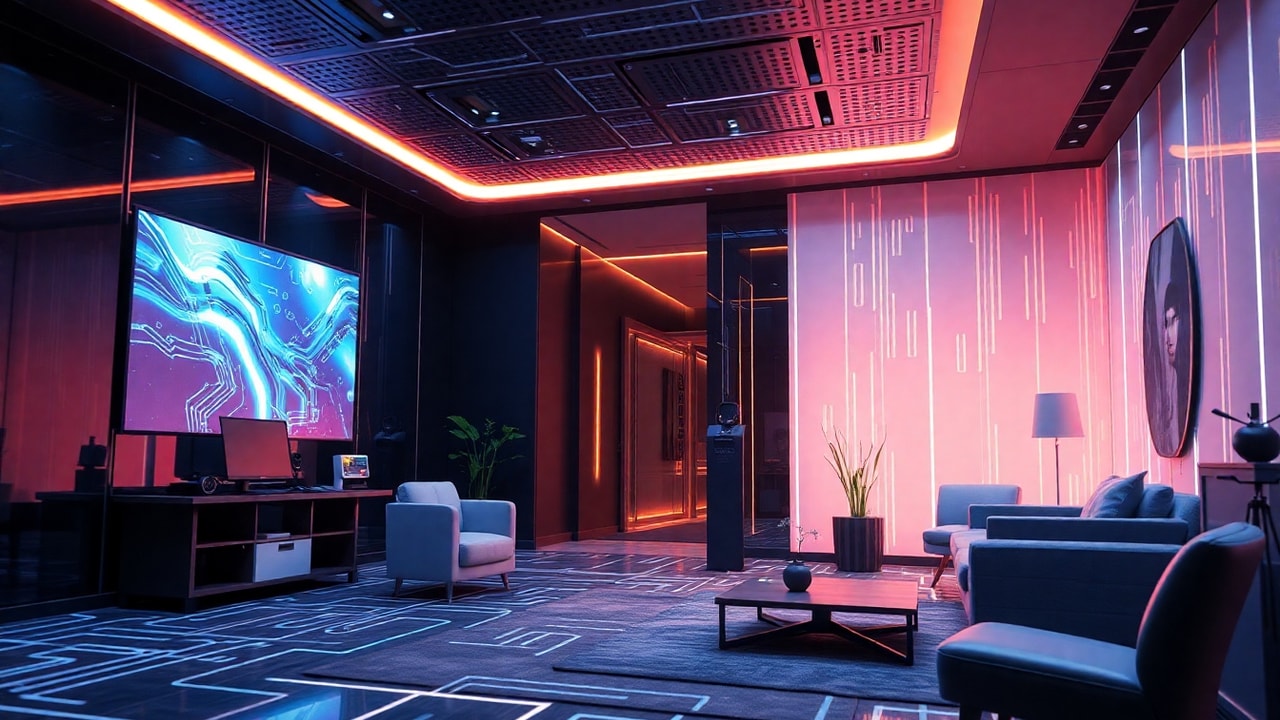
This success story demonstrates that advanced home automation is viable in corporate environments. Some key points were:
If you are considering modernizing your office, we recommend exploring our guides and tutorials on IoT and automation. Additionally, as we saw in our article on implementing generative AI in workflows, the integration of intelligent technologies can radically transform business operations.
Advanced home automation with Home Assistant is not just a trend, but a strategic investment for offices seeking efficiency and sustainability. This success story is an example of how technology can improve the quality of work life and business performance. For more inspiring cases, visit our section on success stories.
