

Advanced Home Automation with Home Assistant for Offices: The Key to a Smart and Efficient Space
Discover how Home Assistant can transform your office into a smart and efficient space. Learn about integrations, automations, and security in business environments.
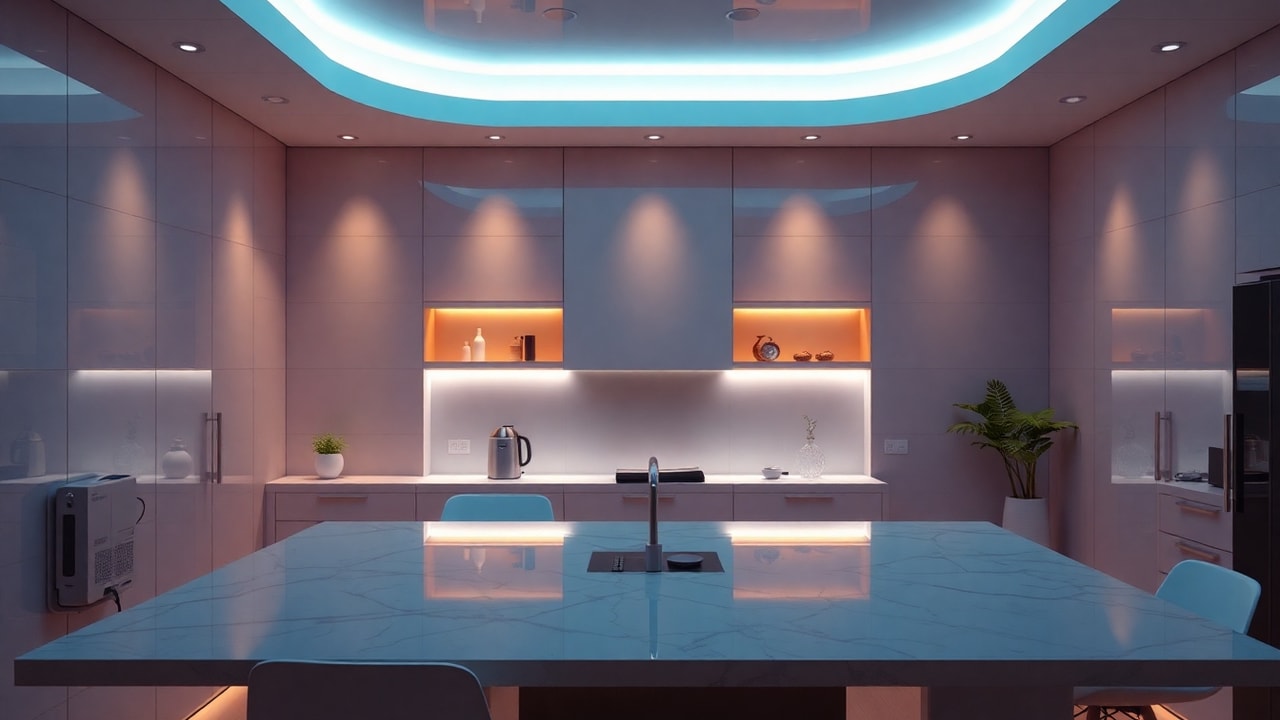
In the era of digital transformation, offices must not only be efficient in terms of productivity but also in energy consumption and comfort. Advanced home automation, led by platforms like Home Assistant, is revolutionizing the way we manage workspaces. As an IoT expert, I have seen how this technology can turn a traditional office into an intelligent, automated, and sustainable environment. In this article, we will explore how to implement Home Assistant in offices, its real benefits, and key considerations for a successful adoption.
Why Home Assistant for Offices?
Home Assistant is not just a platform for smart homes; its flexibility, open-source nature, and huge ecosystem of integrations make it the ideal choice for offices. Unlike proprietary solutions, Home Assistant offers total control over data and automation, which is crucial in business environments where security and customization are priorities. Additionally, its ability to integrate with hundreds of devices (from presence sensors to HVAC systems) allows for a unified ecosystem.
Efficient Automation: Beyond On and Off
Advanced automation in offices involves complex scenarios: for example, adjusting lighting based on natural light, controlling climate by zones based on occupancy, or managing energy consumption of equipment during non-working hours. Home Assistant allows creating automations based on multiple conditions, such as time of day, presence of people (via sensors or calendar integration), and outdoor temperature. This translates into significant energy savings and greater comfort for employees.
Key Integrations for an Office Environment
One of the greatest advantages of Home Assistant is its ability to connect with business systems. For example, you can integrate it with Microsoft 365 to sync calendars and adjust automations based on scheduled meetings. As we mentioned in our guide to maximizing productivity with Microsoft 365, integrating calendar data allows the office to prepare automatically for meetings: adjusting lighting, temperature, and audiovisual equipment. Furthermore, integration with automation tools like n8n, which we explored in our success case with n8n, allows creating workflows that connect home automation with other business processes, such as notifications to the maintenance team.
Security and Control: Priorities in the Business Environment
When implementing home automation in offices, security is a critical aspect. Home Assistant allows implementing access control through smart locks, motion sensors, and IP cameras, all managed from a central panel. Additionally, its local-first architecture ensures that data does not depend on external cloud services, reducing the risks of vulnerabilities. In this sense, hardening and server maintenance practices, such as those detailed in our article on Linux servers, are applicable to the infrastructure that supports Home Assistant, ensuring that the platform is protected against unauthorized access.
Practical Use Cases in Offices
- Energy optimization: Automatic shutdown of lights and equipment in unoccupied areas, based on presence sensors.
- Personalized comfort: Adjusting temperature and ventilation according to each zone's preferences, improving employee well-being.
- Meeting room management: Automatic resource reservation and environment preparation (lighting, projector, video conferencing) when a meeting is scheduled.
- Maintenance alerts: Detection of anomalies in equipment (such as excessive energy consumption) and notification to the technical team.
Considerations for a Successful Implementation
Before diving into implementing Home Assistant in an office, it is crucial to plan the infrastructure. I recommend starting with a pilot project in one room or floor, evaluating the impact, and then scaling. It is also essential to have a team that understands both IoT and networks and security. The official documentation and the active Home Assistant community are valuable resources for resolving doubts and staying up to date with best practices.
Conclusion: The Future of Offices is Smart
Advanced home automation with Home Assistant is not a passing trend but a necessity for companies seeking efficiency, sustainability, and an attractive work environment. As we have seen, its integration with other business tools and its focus on security make it a robust option. If you are considering making the leap, we invite you to explore more about automation and observability or technology and trends on our blog, where you will find additional resources to make informed decisions. The office of the future is already here, and Home Assistant is the key to opening its doors.