
Office Address
Seville, Spain
Seville, Spain
Phone Number
+(34) 624 816 969
Email Address
info@forgenex.com
Available on Google Play

Seville, Spain
Seville, Spain
+(34) 624 816 969
info@forgenex.com




 by ForgeNEX
 Table of contents [Show]
In a world where cyber threats are constantly evolving, configuring secure VPNs and firewalls has become a cornerstone of network security. As a cybersecurity expert, I have seen how poor configuration can expose critical data. In this article, I share my insights and best practices to harden your infrastructure.
VPNs enable secure remote access, but if not configured correctly, they become an open door for attackers. I recommend using modern protocols like WireGuard or IPsec with IKEv2, and avoiding PPTP due to its vulnerabilities. Additionally, multi-factor authentication (MFA) is mandatory.
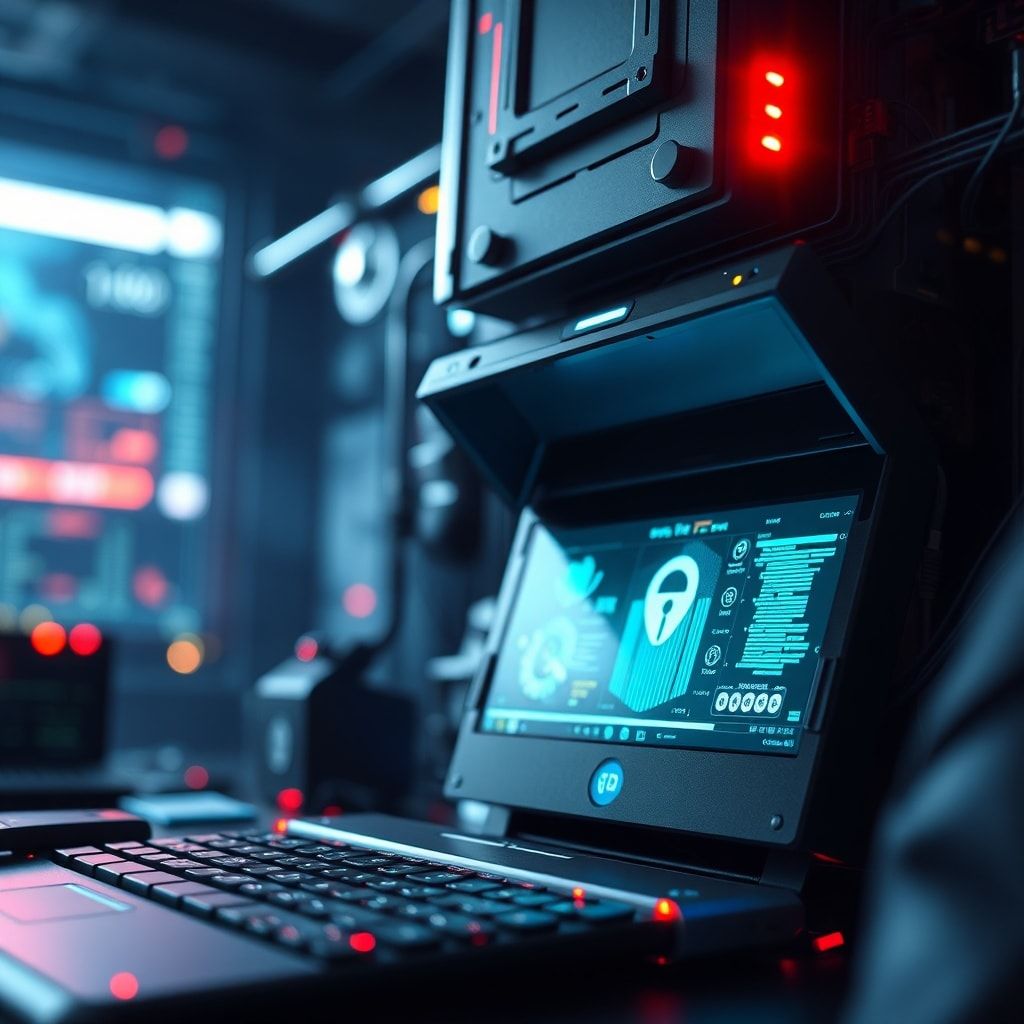
A well-configured firewall is essential. Beyond basic rules, I recommend using next-generation firewalls (NGFW) that include deep packet inspection, intrusion prevention systems (IPS), and application filtering. Network segmentation is key: separate guest networks, server networks, and IoT device networks.
As we saw in our article on Proxmox Server Virtualization, security at the hypervisor level also depends on a robust perimeter firewall.
The combination of VPN and firewall must be coherent. For example, when configuring a site-to-site VPN, ensure firewall rules allow encrypted traffic only between authorized subnets. I also recommend using a DMZ for exposed services and isolating the VPN in a separate zone.
For more details on securing cloud environments, check out our Cloud Services category.
Configuring secure VPNs and firewalls is not a luxury; it is a necessity. With these practices, you will significantly reduce the attack surface. Remember: security is a continuous process, not a product. Stay updated and review your configurations periodically.
