
Office Address
Seville, Spain
Seville, Spain
Phone Number
+(34) 624 816 969
Email Address
info@forgenex.com
Available on Google Play

Seville, Spain
Seville, Spain
+(34) 624 816 969
info@forgenex.com





 by ForgeNEX
 Table of contents [Show]
In today's business environment, communication security is critical. Secure VPNs and firewalls form the first line of defense against unauthorized access and data leaks. This guide will show you how to configure them correctly, following industry best practices. As we saw in our article on Advanced Solutions in Microsoft Azure, the cloud also requires robust protection.
A VPN (Virtual Private Network) creates an encrypted tunnel between the user's device and the destination server, protecting data in transit. It is essential for teleworking, connections to remote offices, and access to critical resources. However, a poorly configured VPN can be a weak point. That's why at ForgeNEX we recommend following standards like IPsec or WireGuard, and applying multi-factor authentication (MFA).

The firewall acts as the gatekeeper of network traffic. A basic configuration includes:
For cloud environments, as described in our Cloud Services category, it is crucial to implement virtual firewalls and security groups.
Suppose a perimeter firewall: Allow HTTPS traffic from the Internet to the web server in the DMZ, but block all incoming traffic to the internal network. Additionally, enable VPN only from authorized IP addresses and with two-factor authentication.
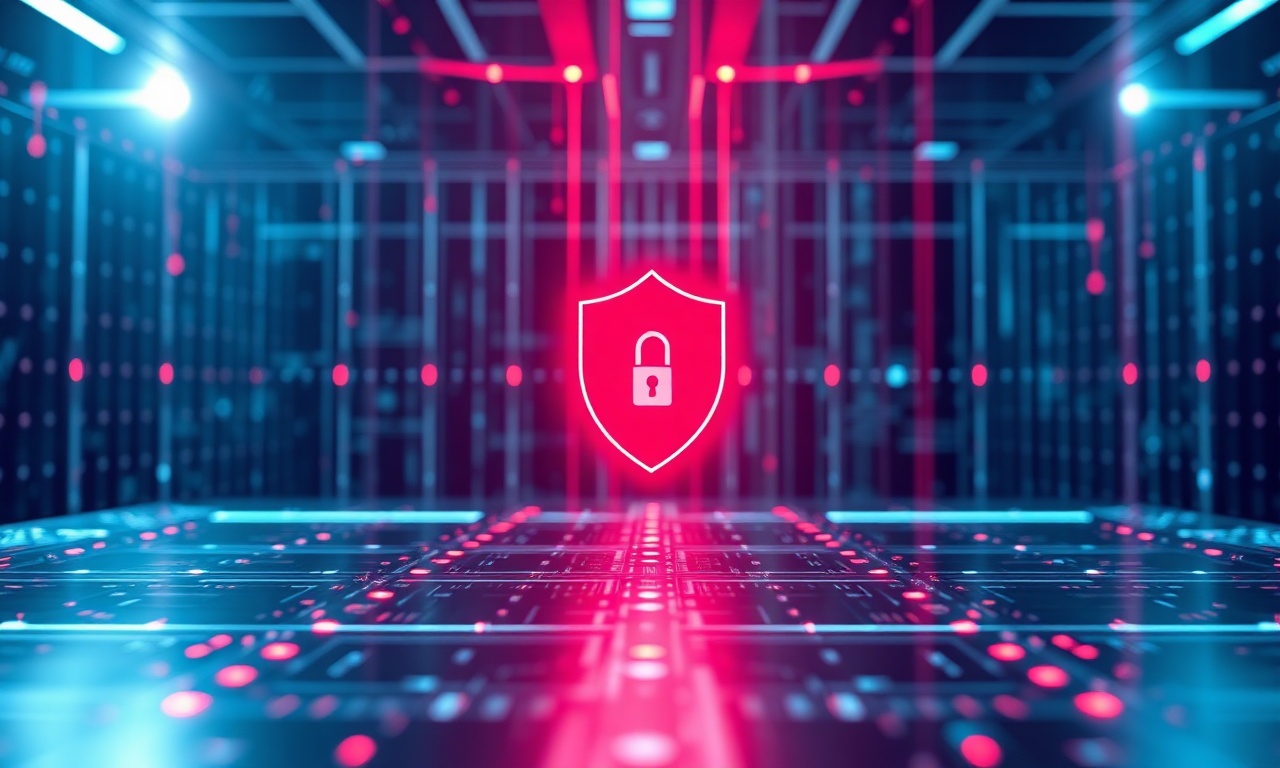
For defense in depth, the VPN should be behind the firewall or integrated with it. For example, configure the firewall to only accept VPN traffic from certain IP ranges and then apply granular access policies. Tools like pfSense or Fortinet allow native integration.
If you work with remote teams, we recommend reading our article on Work Orders to optimize security project management.
Configuring secure VPNs and firewalls is not a luxury but a necessity. By following this guide and staying up to date with trends in Cybersecurity, you can effectively protect your infrastructure. At ForgeNEX, we are committed to network security; contact us for customized solutions.
