
Office Address
Seville, Spain
Seville, Spain
Phone Number
+(34) 624 816 969
Email Address
Available on Google Play

Seville, Spain
Seville, Spain
+(34) 624 816 969





 by ForgeNEX
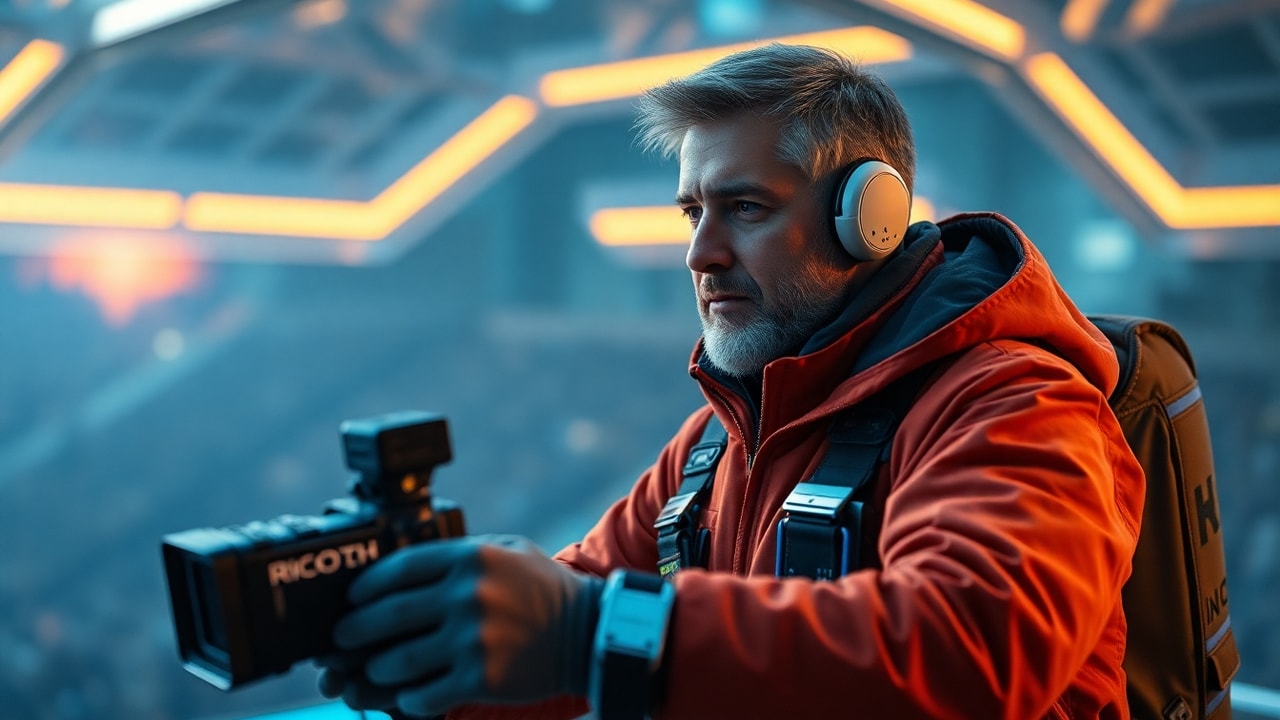
 In a move that reinforces its commitment to internal development and strategic continuity, Ricoh has announced the appointment of Ramón Martín as Chief Operating Officer (COO) for Europe. Martín, who until now served as CEO in Iberia, will combine both roles, taking on the responsibility of accelerating the company's digital transformation on the continent.
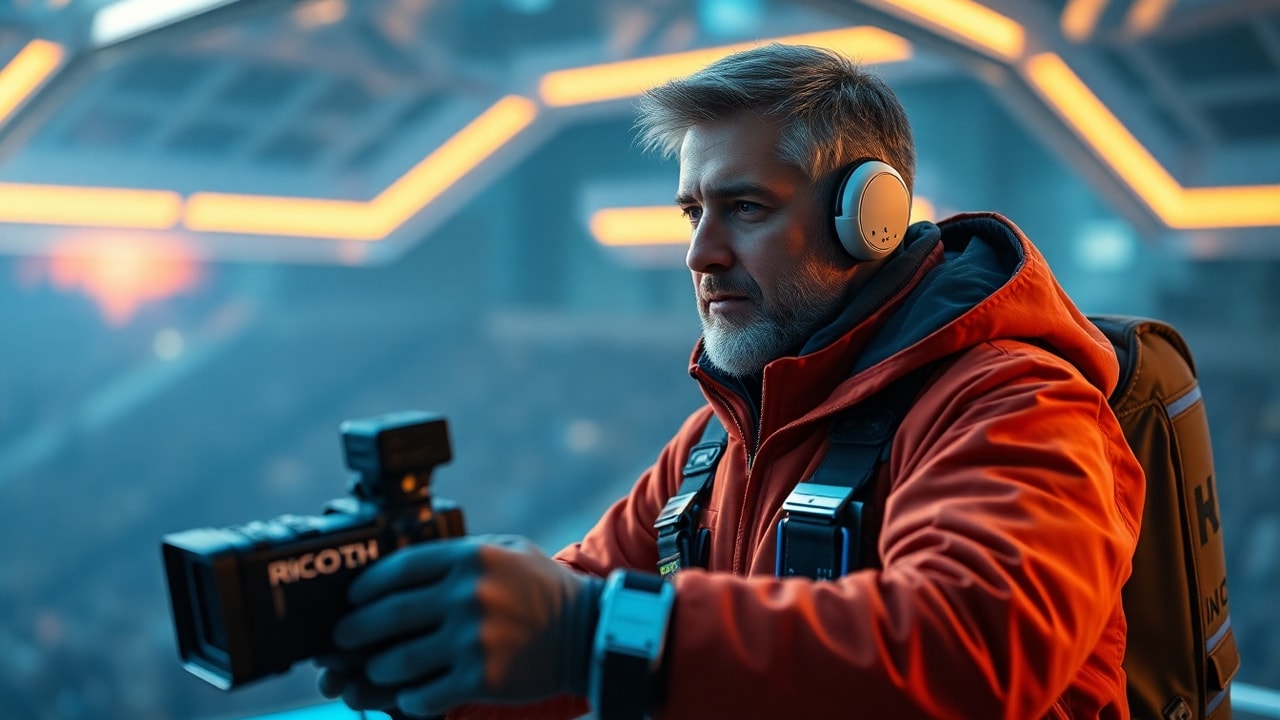
The new COO's main mission will be to reinforce Ricoh's transformation plan at the European level, with an emphasis on three pillars: operational efficiency, sustainable growth, and improving customer experience across all markets. The company highlights that this appointment reflects its confidence in internal talent and leadership capable of driving deep changes in the business.
In an official statement, Ricoh emphasized that “the appointment is part of Ricoh's strategy to consolidate its evolution as a global provider of digital services in Europe, strengthening a business model centered on innovation, proximity to the customer, and value creation.” This approach is especially relevant in a context where business productivity increasingly depends on the integration of advanced digital solutions.
The move is not limited to the European sphere. Ricoh has also announced changes in its management structure in Spain and Portugal. José Tamajón, until now Commercial Director of Key Accounts in Spain, will assume the role of General Manager of Ricoh in Spain, reporting directly to Ramón Martín. Meanwhile, Marcos Sanz, the company's financial officer in Spain, will combine his current role with that of General Manager of Ricoh for Portugal.
These appointments aim to strengthen local presence and ensure execution aligned with the European strategy. Organizational adaptability is key in an environment where technologies such as AI outcome-based billing are redefining business models.

Ricoh's bet on internal talent and digital transformation is not an isolated case. In a market where the skills gap in IDEs is closing before AI widens it, tech companies seek leaders who combine business knowledge with innovation capability. Martín's experience in Iberia, where he has driven digitalization initiatives, will be key to replicating those successes on a European scale.
Furthermore, the restructuring in Spain and Portugal reflects a trend toward more agile management models, similar to those being adopted by major players like Cisco, which is transforming from a router seller to an identity orchestrator for AI agents. Organizational adaptability will be decisive to compete in an ecosystem where AI and automation constantly redefine the rules of the game.
For IT professionals, this move underscores the importance of developing leadership skills and strategic vision, beyond technical competencies. As seen in the analysis of Xiaomi's MiMo Code, the ability to execute complex tasks with multiple steps is increasingly valued, and leaders who understand both technology and business are the ones who make a difference.
In a context where cybersecurity and penetration testing are priorities for companies, Ricoh's transformation into a digital services provider also involves strengthening its capabilities in this area. Martín's experience in Iberia, where he has managed multidisciplinary teams, will be a valuable asset to face these challenges.
Original source: ComputerWorld. Analysis and adaptation by ForgeNEX.