
Office Address
Seville, Spain
Seville, Spain
Phone Number
+(34) 624 816 969
Email Address
info@forgenex.com
Available on Google Play

Seville, Spain
Seville, Spain
+(34) 624 816 969
info@forgenex.com






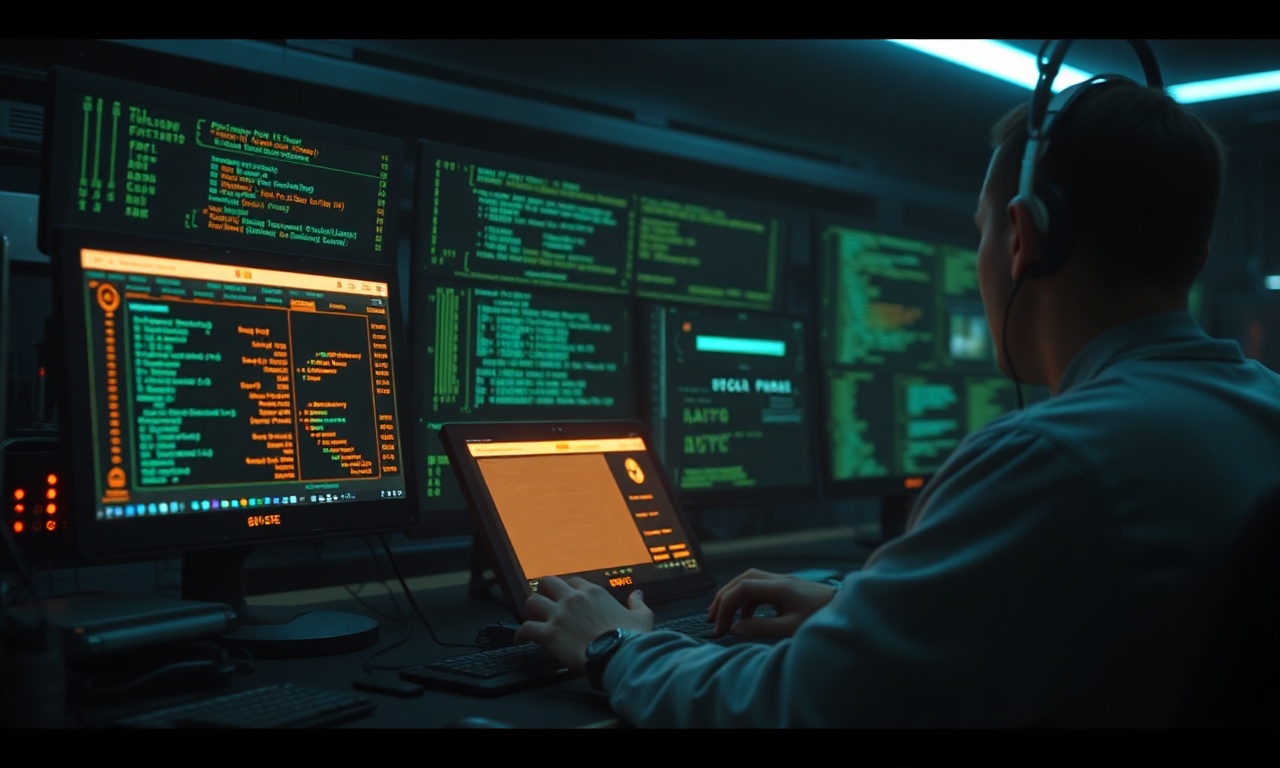
 by ForgeNEX
 Most AI coding tools promise speed: write a prompt, get a draft, iterate. The faster the model, the better. But SkipLabs Skipper breaks the mold: it doesn't ask for feedback or iteration. Its coding agent analyzes the problem, generates a complete solution, and ships it directly, without intermediate human intervention. The result? A radical shift in how SysAdmins and DevOps approach automation and development.
Table of contents [Show]
Skipper is not a conversational assistant. It's an autonomous agent that receives a high-level description of the problem, explores the existing codebase, designs a solution, and implements it. It doesn't wait for approval or suggestions. Its logic: if the agent is well-trained, human feedback only adds noise and delays.
For operations teams, this means tasks like patching configurations, optimizing deployment scripts, or fixing vulnerabilities in infrastructure as code can be fully delegated. The agent integrates with repositories, CI/CD pipelines, and cloud environments, acting as another engineer but without the need for constant reviews.
The promise is to free up time for strategic tasks. Instead of reviewing every line of AI-generated code, the team trusts that the agent has been trained with the organization's best practices. This requires a cultural shift: moving from manual review to auditing results. SysAdmins will need to define clear policies on what the agent can touch (e.g., only staging environments) and establish automatic rollback mechanisms.

For the business, the benefit is delivery speed. Infrastructure updates that used to take days can be completed in hours. However, the risk is loss of control if the agent makes a mistake. That's why Skipper includes a simulation mode to validate changes before applying them, but the ultimate goal is to operate without intervention.
Not entirely. Feedback still exists, but at the system design level: teams define objectives, constraints, and success criteria. The agent learns from outcomes (success/failure) and adjusts its behavior. It's an 'asynchronous feedback' approach where the human defines the 'what' and the agent decides the 'how'.

This connects to broader trends in intelligent automation, like those we explore in Implementing Generative AI in Workflows. The difference is that Skipper not only generates code but also deploys it, closing the development and operations loop.
To adopt tools like Skipper, IT teams must ensure their environments are repeatable and versioned. Infrastructure as Code (IaC) is a requirement. If you haven't migrated to IaC yet, now is the time. Additionally, observability becomes critical: you need to know what changed, when, and who (or what) did it. In this sense, vendor neutrality in telemetry, as discussed in our analysis of OpenTelemetry, is key to having a unified view.
In summary, Skipper represents a step toward autonomy in DevOps. It's not for everyone: it requires technical maturity and trust in systems. But for those looking to accelerate delivery without sacrificing quality, it could be the next leap.
Source: The New Stack. ForgeNEX analysis.
