
Office Address
Seville, Spain
Seville, Spain
Phone Number
+(34) 624 816 969
Email Address
Available on Google Play

Seville, Spain
Seville, Spain
+(34) 624 816 969




 by ForgeNEX
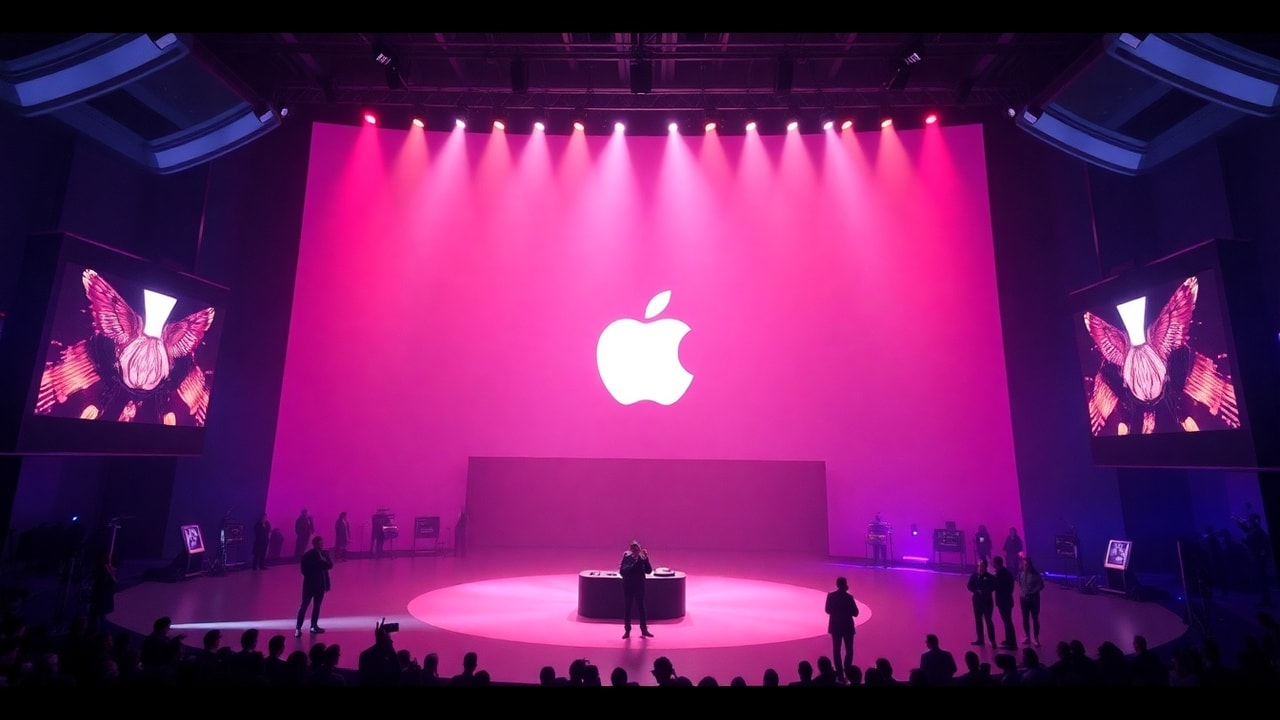
 Apple's Worldwide Developers Conference (WWDC), held yesterday, not only served to calm investors and users in the face of the artificial intelligence challenge but also marked a turning point in the company's strategy. With a user-centric approach, Apple has deployed an arsenal of AI tools that promise to transform the experience on its devices, although the path to technological maturity is still long.
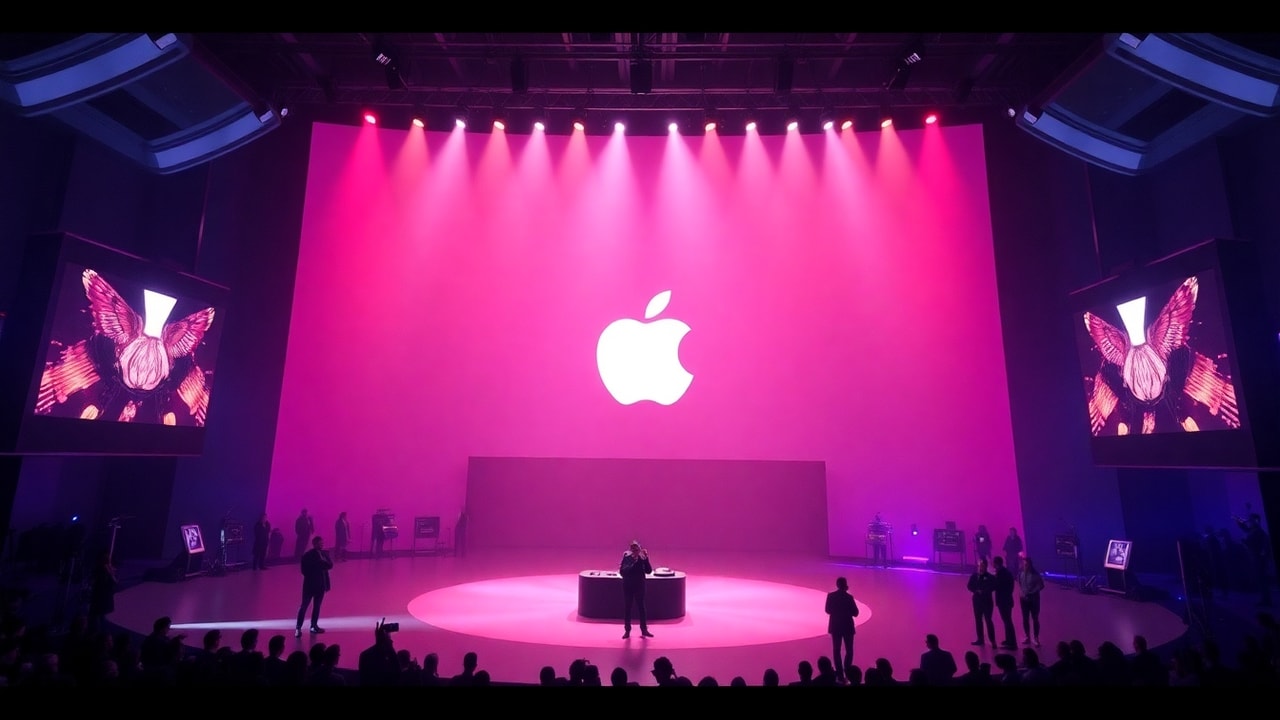
Table of contents [Show]
The highlight of the event has been Apple Intelligence, a set of AI capabilities natively integrated into iOS, macOS, and visionOS. Siri, the virtual assistant, has received a deep update: it can now search for information in messages, emails, photos, and answer complex questions, as well as perform actions within third-party apps. But Apple's bet goes far beyond a simple assistant.
Among the most notable new features are tools like Spatial Reframing, which allows recomposing already taken photos by changing the perspective as if repositioning the camera, and Extend Tool, which expands the edges of an image to correct horizons or adjust aspect ratios without losing the subject. Also noteworthy is Notify Me, a web page monitor that alerts about changes such as price drops or stock replenishments, and the generation of photorealistic images via a generative model that runs on Private Cloud Compute, ensuring privacy.
Apple has reinforced its commitment to security, as we have seen in other analyses on AI agents and vulnerabilities. The new Apple Passwords app automatically corrects weak or compromised passwords using agent AI, a step forward in user protection.
Craig Federighi, senior vice president of software engineering, made it clear: “Truly useful AI must focus on our users' needs, be deeply integrated into the products they rely on every day, be based on personal context, and be built with privacy at every step.” This philosophy contrasts with that of other tech giants, who often prioritize technical innovation over user experience.
Apple has presented APIs for developers to integrate these capabilities into their applications, opening a range of possibilities. Tools like Describe a Shortcut allow creating complex automations simply by describing them in natural language, an advancement that brings productivity closer to non-technical users.

The confirmation of the collaboration with Google Gemini to create some AI models has sparked debate. However, Apple has insisted that it is not a 'white label' version of Google's LLMs, but rather its own models developed jointly. Federighi emphasized that the new search tools are based on its own database, and when using Nvidia processors hosted by Google, strict privacy mechanisms are applied.
This strategy recalls cloud sovereignty in the EU, where data control is key. Apple seeks not to depend entirely on third parties, maintaining control over the intelligence that powers its devices.
Apple's stock price fell slightly after the event, partly because some AI features will not be available in Europe or China due to regulatory obstacles. This puts developers in those regions at a disadvantage, while in other markets they will be able to explore the Foundation Models and new Core AI APIs.
Ken Case, CEO of Omni Group, positively valued Apple's bet on local AI and privacy, although he acknowledged that “there is still much to do.” Carolina Milanesi from Creative Strategies highlighted that Apple Intelligence differs from ChatGPT or Claude by being integrated into devices, giving it a unique position. Gene Munster from Deepwater Asset Management noted that the Siri AI beta will arrive this year, but the final version could be delayed until 2027, generating uncertainty among investors.

For businesses, the integration of AI into the Apple ecosystem presents an opportunity to improve productivity and security. Tools like automatic password correction or web monitoring can reduce risks, while APIs will enable the creation of smarter applications. However, regulatory fragmentation and deployment timelines require careful planning.
In a context where security is critical, as seen in ethical hacking and penetration testing, Apple bets on privacy as a competitive advantage. Nevertheless, dependence on external collaborations and delays in certain regions could hinder its enterprise adoption.
WWDC 2025 has shown that Apple is willing to compete in AI, but the road is long. As already happens with Databricks OpenSharing, the key will be the ability to integrate these tools into real workflows without compromising security.
Original source: ComputerWorld. Analysis and adaptation by ForgeNEX.